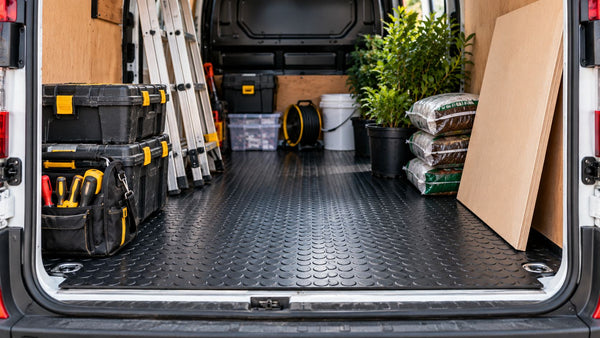
The best flooring for a workshop depends on what happens on it. For a small bench workshop, a suitable rubber floor covering is worth considering if you want to cover the existing floor and can manage its edges and joins. For frequent spills, heavy wheeled traffic or fixed machinery, start with the conditions the floor must withstand and specify the product or floor system accordingly. A sound concrete slab may also be worth keeping and finishing.
Before comparing finishes, note where people stand, where equipment moves, what gets spilt, and what condition the existing floor is in. Those answers will narrow the choice faster than a claim that one material is “best” for every workshop.
|
Option |
Best Suited To |
Key Consideration |
Installation Type |
What to Verify |
|
Rubber Flooring |
A separate covering across the floor or selected areas |
Edges, joins, spills and equipment movement |
Cut and fitted covering |
Material, dimensions, fixing method and suitability |
|
Epoxy Resin |
A continuous finish over suitable concrete |
Preparation and time out of use |
Applied floor system |
Substrate requirements and performance specification |
|
Polished Concrete |
A suitable existing slab kept as the floor |
Slab condition and finish |
Specialist treatment of concrete |
Condition and machinery requirements |
|
Interlocking PVC Tiles |
A modular floor fitted in sections |
Joints, ramps and wheeled traffic |
Interlocking covering |
Substrate, traffic and load suitability |
|
Vinyl Flooring |
Lighter bench-based activity |
Product grade and edge wear |
Fitted covering |
Intended workshop use and cleaning guidance |
|
Concrete Floor Paint |
A suitable slab needing a modest finish |
Preparation and future wear |
Applied coating |
Compatibility, preparation and cure time |
|
Anti-Fatigue Matting |
A fixed standing workstation |
Safe placement and edges |
Local mat |
Product purpose and compatibility |
|
Textured Floor Tiles |
Areas where a specified surface is needed |
Contaminants and cleaning |
Fitted tile system |
Relevant slip evidence for the conditions |
|
Steel Floor Plates |
A defined machinery or wear area |
Plate, fixings and supporting floor |
Specialist installation |
Machinery and structural specification |
|
Sealed Concrete |
A suitable slab retained with limited changes |
Sealer choice and renewal |
Applied concrete treatment |
Spill resistance and maintenance instructions |
Workplace flooring must suit the activity carried out on it. Where contamination is likely, surface choice and cleaning both matter; a visible texture alone does not establish slip performance.
Rubber Flooring for Grip and Impact Protection

Rubber flooring may suit a workshop that needs a separate protective covering, but its grip and impact performance depend on the exact product and how the space is used. It is a plausible choice for a small DIY workshop with benches and tools that are moved regularly, provided the selected covering is suitable for the floor beneath it.
Decide whether you need full coverage or protection in a defined area. Full coverage means planning where lengths meet and how exposed edges finish. A smaller covered area may be simpler to fit, but its perimeter must not create a trip hazard or interfere with wheels, doors or cleaning.
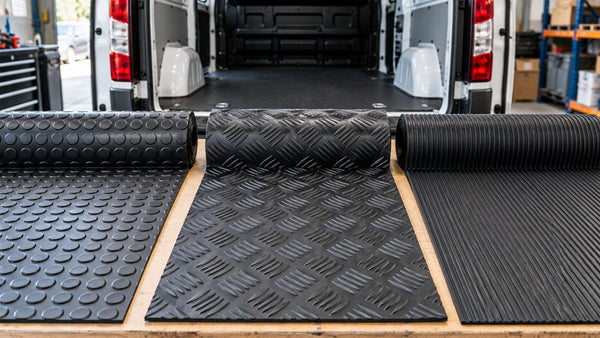
Tuda’s range includes different patterns and products described as rubber, rubber/PVC or PVC rubber. Compare the individual product description, rather than assuming every roll has the same composition, width or thickness. A sample can help you judge the pattern, colour and feel; it cannot establish a slip rating or confirm resistance to workshop chemicals.
Check before buying:
-
Measure the floor at several points. Mark benches, posts, machinery bases, doorways and other shapes that affect cutting.
-
Compare the required floor width with the selected roll width. Plan any joins before calculating the amount to order.
-
Check the condition of the substrate and the product’s recommended fixing method.
-
List likely spills and cleaning products, then confirm compatibility with the exact covering.
-
Consider the route taken by trolleys, chairs or other wheeled equipment, especially across joins and edges.
If the floor supports substantial machinery, receives frequent oil or chemical spills, or needs documented slip or impact performance, obtain a specification for those conditions before choosing a general covering. If a fitted covering still looks appropriate, compare Tuda’s rubber flooring against your measurements and use requirements.
Epoxy Resin Flooring for a Seamless Finish
Epoxy resin can provide a continuous finished surface where exposed covering joins would be inconvenient. Its suitability depends on the concrete beneath it, the specified resin system and the conditions during installation.
This is a floor system applied to the substrate, rather than a covering you can lift and replace in sections. If the concrete has damage, contamination or an existing coating, an installer needs to assess what preparation is required. Ask how the proposed system will handle the workshop’s actual traffic and spills, and what repair would involve if one area is damaged.
Installation also takes the workshop out of use for a period. Obtain the installer’s preparation, application and return-to-use schedule for the chosen system instead of assuming a standard cure time. Where slip performance or chemical resistance matters, request evidence for that system in the conditions expected.
Polished Concrete for Heavy-Duty Workshops
Polished concrete may be an option when the existing slab is suitable and you want the concrete itself to remain the finished floor. The word “polished” describes a surface finish; it does not confirm that the slab can support heavy machinery.
For an established workshop, first inspect the floor’s cracks, repairs, uneven areas and previous treatments. A specialist can advise what finish the slab can achieve and whether additional treatment is needed for its intended use. Consider how the finish will be cleaned and whether the workshop’s likely contaminants change the surface requirement.
If equipment imposes substantial loads, confirm the slab and machinery requirements with competent specialists. A polished surface cannot compensate for an unsuitable supporting floor.
Interlocking PVC Tiles for Easy Installation
Interlocking PVC tiles offer a modular way to cover a workshop floor, provided the chosen system suits the substrate and traffic. They may appeal if you need to work around established benches or replace a damaged section later.
The joints that make tiles modular also deserve attention. Dust and liquid may collect around them, while small wheels can be affected by uneven tiles or poorly finished transitions. Check whether the existing floor is flat enough for the manufacturer’s system and how the tiles should be restrained or finished at doorways and exposed edges.
Before ordering, draw the layout around fixed equipment. Ask the supplier about the particular tiles’ suitability for your equipment, wheeled traffic and cleaning routine. Do not assume that every interlocking tile has the same load capacity or can be installed over a damaged floor.
Vinyl Flooring for Lighter Workshop Use
Some vinyl flooring systems may suit lighter workshop activity, such as a hobby craft area or an electronics bench with limited heavy equipment. A domestic vinyl product should not automatically be used beneath workshop machinery or where tools, wheels and spills create different demands.
Define “light” by what actually happens in the room. Are people mainly walking and working at a bench, or are heavy items dragged across the floor? Will chair castors or trolleys pass over it every day? Could cut edges be caught while equipment moves?
Check the product’s intended use, cleaning instructions and fitting requirements before selecting it. If the workshop includes regular liquid spills, heavy rolling loads or dropped equipment, ask the supplier to confirm suitability or consider a system specified for those conditions.
Concrete Floor Paint for an Affordable Upgrade
Concrete floor paint may be a relatively modest way to finish a suitable existing slab. The result depends on the condition and preparation of the concrete, the paint selected and how the floor is used afterwards.
Paint does not repair an unsound substrate. If the slab is cracked, dusty, contaminated or already coated, establish how those issues must be dealt with before application. A low initial spend may be less appealing if traffic means you have to repair or recoat worn areas sooner than expected.
For a small workshop on a limited renovation budget, compare products by their stated preparation and intended use. Check compatibility with any existing finish, obtain the manufacturer’s coverage guidance and allow for its stated drying and cure schedule. Keep the workshop out of use for as long as that product requires.
Anti-Fatigue Matting for Standing Workstations
A suitable mat can be considered at a bench where someone stands for lengthy periods. It addresses a local workstation need and can sit alongside an appropriate whole-floor surface; it does not settle the flooring choice for the rest of the workshop.
Place a mat where the work is actually done, then check what happens when the worker steps away, moves equipment or cleans the area. Its edges should not become a trip hazard, and it should remain suitable for the floor beneath it and the substances used nearby. Inspect it if it moves, curls or wears.
Choose a product intended for this purpose and follow its placement and care guidance. A roll of general flooring should not be described as certified anti-fatigue matting without product-specific evidence.
Textured Floor Tiles for Slip-Prone Areas
Texture may help narrow a flooring shortlist where slips are a concern, but the right tile depends on the contamination expected, the cleaning method and evidence for the exact product. A textured appearance is not a slip test result.
An entrance that regularly receives rainwater poses a different problem from an area exposed to oil or fine dust. Ask what is reaching the floor, how quickly it can be removed and whether joints or the texture itself will make cleaning harder. Footwear and the way people move through the area also form part of a workplace assessment.
The Health and Safety Executive advises choosing flooring suitable for the work and the likely contamination. For an area with a defined slip risk, seek relevant performance information for the proposed tile and conditions, alongside a workable cleaning plan.
Steel Floor Plates for Areas With Heavy Machinery
Steel plates may be specified for a particular machinery position or wear area, but the plate, its fixings and the floor supporting it must be considered together. Covering a weak or unsuitable slab with steel does not establish that the whole assembly can take the load.
Record the machinery footprint, how it is fixed, whether it moves or vibrates, and how people or equipment cross the plate’s edges. Raised transitions can affect both access and cleaning. The chosen finish also needs to suit the conditions where people walk.
This is a specialist specification rather than a general workshop floor recommendation. Confirm the machinery requirements and obtain competent advice on the plate and supporting structure before installation.
Sealed Concrete for a Practical Low-Maintenance Floor
Sealing may make an appropriate concrete floor easier to maintain, depending on the sealer and workshop use. It is worth considering if you want to retain the slab with fewer changes, but “low maintenance” still means cleaning spills and following the treatment’s care and renewal instructions.
Unlike polishing, which changes the concrete’s surface finish, sealing applies a treatment to it. Unlike floor paint, a sealer is chosen for its own stated purpose and specification; neither name alone tells you how it will handle a particular spill. Check the slab’s condition, preparation requirements, compatibility with any previous treatment and the sealer manufacturer’s guidance.
If you are still weighing up treated concrete against a separate covering, Tuda’s rubber flooring samples can help you compare available finishes before committing to a workshop-wide order. They help with appearance and feel, while technical suitability must come from the selected product’s specification.
For a bench workshop, shortlist a suitable covering alongside the option of keeping and treating a sound slab. For substantial machinery or demanding spills, establish the floor’s required performance first. If rubber flooring remains on your shortlist, measure the space, compare Tuda’s individual products and confirm the fitting method before ordering.